
Tidak ada produk di keranjang.
Artikel
The Spin Dog Casino Menu Logic Examined by UK UX Enthusiast
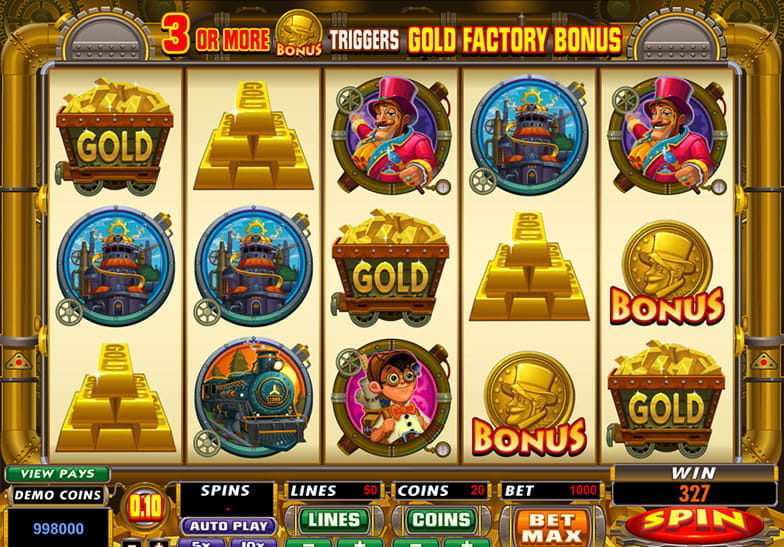
The manner in which an online casino structures its navigation can make the difference between a smooth session and one plagued by quiet frustration. Spin Dog Casino Bonus showcases a menu system that warrants a careful, measured evaluation from a usability standpoint. A UK-based user experience enthusiast set out to break down the structure, looking at how labels, hierarchy, and interactive cues guide real players through the platform. Rather than depending on aesthetic appeal alone, this analysis centers on measurable aspects such as discoverability, decision-making speed, and the consistency of pathways across different device sizes. The inspection covers the primary header bar, secondary dropdowns, mobile adaptations, and contextual links positioned inside the game lobby. Every observation originates from hands-on navigation sessions conducted without logging in, mimicking the experience of a brand-new visitor. Spin Dog Casino doesn’t reinvent the wheel, yet some deliberate choices hint at a deeper logic that either smooths the journey or adds subtle roadblocks. The following breakdown explains those patterns layer by layer, always questioning whether the menu logic matches the user’s mental model.

Find Functionality and Filters
Integrated within the game lobby is a search bar that supports the structured menu system. Its placement is standard—top-right corner of the game grid—and its behavior is instant, filtering results as the user types without a full page reload. The search handles partial matches and common misspellings, which indicates that a fuzzy matching algorithm sits behind the interface rather than an exact string comparison. This is a small but psychologically significant detail, because it prevents dead-end “no results found” moments that erode confidence. In addition to search, the filter panel includes checkboxes and toggles for providers, themes, and features like free spins. Importantly, the menu logic does not hide these filters behind an icon alone; labels are displayed, lowering the interaction cost for first-time users. The combination of keyword search and categorical drill-down creates a hybrid navigation model that accommodates both power users who know exactly what they want and casual visitors who prefer to browse by provider. Still, the enthusiast noted a subtle limitation: the search bar does not index promotional page content or support articles, meaning someone typing “withdrawal time” gets no direct help link. This separation between game library search and site-wide help search creates a minor but real friction point.
First Look and Design Layout
When you first visit on the homepage, the eye is immediately drawn to a horizontally stretched navigation bar positioned just beneath the brand logo. The designer has employed a dark background with high-contrast white and accent-colored text, establishing a distinct figure-ground separation. This design follows the F-shaped scanning pattern that most Western users naturally adopt. Key sections such as Casino, Live Dealer, Promotions, and VIP are presented as standalone items, while less critical links like language selection and help are located in the top-right utility cluster. The prominence of each item is proportional to its expected frequency of use. For example, the Casino tab receives a more prominent placement and a subtle underline on hover, suggesting that this is the primary gateway. There exists no visual clutter, no aggressive badge overlays, and no autoplay carousels that compete for attention. From a design psychology standpoint, the proximity of related actions—deposit, account settings, and balance display—groups them into a single mental compartment. The overall feel conveys competence. Nevertheless, a question emerges: does the visual simplicity remain consistent when the user explores deeper levels, or does the menu logic become fragmented?
User Account and Help Access Points
Navigation links for profile management and support service are placed in a persistent header strip that stays visible irrespective of scrolling. The log-in and register buttons are colored differently, with a vivid accent that contrasts with the dark header—a design decision based on the concept of visual affordance. Once logged in, a user avatar expands into a dropdown menu containing account balance, funding, withdrawal, transaction log, and responsible gambling tools. The arrangement seems intuitive, combining financial and account protection features into a unified place. Support access follows a layered approach: a link to the FAQ opens a slide-out panel, while a live support icon appears at the lower-right corner of every screen. This always-visible chat button behaves like a secondary menu, offering a safety net when the main navigation doesn’t address a query. The reviewer pointed out that the label “Help” is used persistently in the header, footer, and sliding panel, refraining from using alternatives such as “Support” or “Customer Service” that may fragment the user’s cognitive framework. This lexical consistency reduces cognitive strain. A minor flaw is that responsible gambling shortcuts, while present in the account dropdown, are not explicitly labeled with a recognizable icon in the main menu, which could delay discovery for those who actively seek such limits before playing.
Primary Navigation Layout
The central horizontal menu works on a drop-down model, where mouseover or clicking a main item reveals a subsequent section of links. Spin Dog Casino steers clear of cluttering those dropdowns, a move that reduces decision paralysis. For example, the Casino dropdown presents extensive categories like Slot Machines, Card & Table Games, and Progressive Jackpots, with only a few of direct links to well-known titles underneath. This layout admits that the majority of users will go to a exclusive lobby page rather than selecting a specific game from a small menu. The quantity of items in every dropdown remains between four and seven, falling within the boundaries of human working memory and avoiding the need for scroll functionality in the dropdown the box. The lack of hierarchical tertiary submenus is significant; the architecture remains shallow so that a visitor does not lose context. All of the parent labels use clear terms, eschewing complex jargon. The VIP section, for instance, clearly states “VIP Club” rather than some fabricated elite term. Navigation pathways are guided by a task-oriented logic as opposed to a purely marketing-driven approach. This moderation indicates that someone on the design team balanced the trade-off of choice overload against the wish to present quantity.
Organization and Game Exploration
Game exploration relies on a multi-level taxonomy that goes beyond what the primary menu shows. Accessing the Slots section reveals a focused hub page equipped with a sidebar containing subcategories such as Megaways, Bonus Buy, Classic Slots, and New Releases. The menu logic here transitions from a left-to-right dropdown system to a top-to-bottom filter panel, which is a well-known pattern for extensive content libraries. This dual-mode navigation—horizontal for main sections, vertical for page-level filtering—creates a flow that veteran online casino users will identify immediately. More importantly, the titles chosen for subcategories align with the vocabulary players actually search for, not company tags. A category called “High Volatility” would be meaningless to a beginner, so Spin Dog Casino cleverly uses descriptive terms like “Frequent Wins” where relevant. A helpful detail is the inclusion of a “Recently Played” row near the top, which acts as a shortcut menu for repeat visitors. This feature accepts that not all journeys need to originate from the main navigation. The entire game discovery flow supports both exploratory browsing and goal-directed search, two different user modes that often conflict if the menu logic supports only one.
Mobile Menu Adaptation
On mobile devices, the full horizontal menu collapses into a hamburger icon positioned at the top-left, a universally known convention. Clicking it reveals a stacked off-canvas drawer that enters from the left. The drawer maintains the same top-level categories seen on desktop: Casino, Live Dealer, Promotions, and VIP, in that order. Each item uses a generous click zone that exceeds the standard 48×48 pixel minimum, decreasing mis-taps on touchscreens. Submenus open in place with a chevron indicator, preserving spatial context as opposed to sending the user to a new screen. This inline expansion pattern holds the user guided through the menu tree, preventing the disorientation that can accompany full-page transitions. The account and login buttons move to the top of the drawer, making them easily reachable even if the main content is scrolled. One design detail that stands out is the test carried out by the UX enthusiast: the bottom navigation bar does not repeat the hamburger menu items but rather offers shortcut icons for Home, Search, and Live Chat. This separation of tasks between the top hamburger and the bottom tab bar is successful, because it divides exploratory navigation from frequent utility actions. The general mobile menu design seems optimized for one-handed use, with interactive elements clustered toward the thumb zone.
Coherence Throughout Screens
Navigation logic breaks down when it alters unexpectedly as the user navigates between areas. A detailed comparison of the navigation bar found on the main page, game lobby, bonus page, and account page revealed a consistent pattern: the core structure is identical. The same five top-level items show in the same order, the identical toolbar links sit in the same top bar, and the same footer navigation mirrors the main categories. This repetition creates navigational memory, enabling returning players to navigate to some extent automatically. The footer area deserves a brief mention, since it serves as a text-based fallback for each important area, such as those buried in dropdowns. Offering a parallel navigation path in the footer assists visitors using screen readers and those who would rather scroll than click. The logo invariably returns to the homepage, observing a de facto web standard that needs no explanation. Several promotional banners within the game lobby include CTA buttons that lead to the banking section, but these buttons employ the same styling as the top menu’s deposit button, upholding a unified visual style. The only small difference observed was on a legacy competition page, where an previous menu version appeared briefly before the page fully rendered—presumably a browser cache problem as opposed to a intentional design inconsistency, but nevertheless worth noting.
Load Times and Interactive Feedback
Judging a menu based only on its layout is insufficient; the speed and responsiveness of its interactive elements are just as important. The enthusiast timed the delay from tapping a menu item to observing a noticeable update on screen, both on desktop and on a mid-range mobile device over a standard broadband connection. Transitions between sections happened quickly, usually under 800 milliseconds, and the interface used skeleton screens rather than blank white pages during loading. This design conveys the idea of continued loading and minimizes the apparent delay. Desktop menu hover effects show up with almost no delay, and the submenus stay open when the cursor briefly leaves the hit area—a subtle implementation that eliminates a typical nuisance. On mobile, the side panel slides in smoothly that respects the device’s frame rate, avoiding janky stutters. The search field’s instant filtering felt snappy, showing updates in real time as the user inputs text. Nevertheless, the reviewer observed that loading the game lobby initially, which loads thumbnails from several providers, sometimes caused the filter sidebar to be unresponsive for an additional second. This lag, while modest, creates a moment where the user sees filter options but cannot click them, which temporarily shatters the sense of direct control.
Proposals for Further Enhancement
A carefully designed menu may benefit from incremental improvement based on behavioral data. The user experience expert identified several possibilities that would improve the navigation logic further without a costly redesign. Placing a discreet tooltip or label under the safe gaming icon in the main menu could increase discoverability for safety tools. Incorporating the search bar so that it indexes frequently asked questions and policy pages, not just game titles, would narrow the gap between the game library and help content. Introducing a “Quick Deposit” shortcut directly within the mobile bottom bar could reduce the steps needed to top up a balance mid-session, a flow many players repeat frequently. The lobby filter panel could remember the user’s last applied filters across sessions, using a cookie or account-based preference, so that returning players do not have to reset provider selections each time. A minor yet significant improvement would be adding breadcrumb navigation on deeply nested promotional landing pages, helping orientation when users arrive via external links. These suggestions do not imply the current menu is broken; on the contrary, they are refinements that would tighten the gap between good and excellent. The enthusiasm behind this analysis stems from a conviction that menu logic, when done carefully, becomes invisible in the best possible way—players simply transition from intent to action without noticing the scaffolding.
The menu logic of Spin Dog Casino, analyzed through a calm analytical lens, exhibits a skillful balance between convention and brand-specific customization. The navigation system uses standard patterns, eschews overloading the user with choices, and keeps visual and functional consistency across desktop and mobile. Drawbacks are trivial: a search scope limitation, a brief loading delay for filters, and an opportunity to better highlight responsible gambling tools. These issues do not ruin the experience, but addressing them would signal an even stronger commitment to user-centered design. Ultimately, the menu structure succeeds in staying out of the way, which is often the highest compliment a UX analyst can offer.