
Tidak ada produk di keranjang.
Artikel
Mindfulness Practice to Fishin Frenzy Slot: Conscious Play
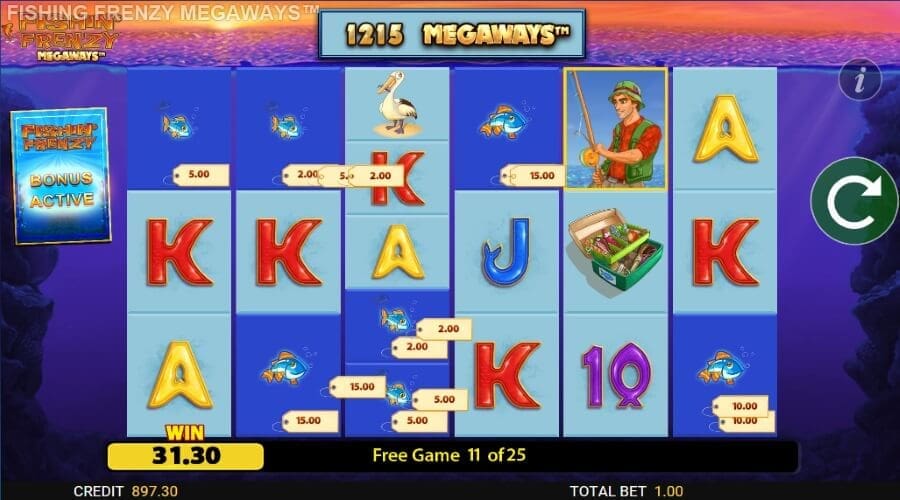
In our rapid digital world, we often look for opposing escapes: serene meditation for inner calm and thrilling slot games for quick excitement. Yet, the move between these states does not need to be abrupt. We examine the concept of conscious gaming, using the popular Fishin Frenzy Slot as a case study. This approach allows players to engage with the game’s aquatic theme and simple mechanics in a more present, controlled manner, possibly enhancing enjoyment while preserving a balanced perspective on play, particularly within the UK’s vibrant online gaming landscape where safe engagement is paramount.
Responsible Gambling in the UK Context
In the UK, where gambling is a licensed form of entertainment, mindful gaming fits well with the national emphasis on player protection and safe play. The UK Gambling Commission enforces tools like time reminders and deposit limits. We consider conscious habits as a internal, private complement to these outside protections. By developing awareness, UK players can enjoy popular titles like Fishin Frenzy more responsibly, ensuring gaming stays a leisure activity that does not negatively impact other areas of life.
Common Questions
What is mindful gaming?
Mindful gaming is the practice of gaming with total, present-moment attention. It involves watching the game’s visuals, sounds, and mechanics, as well as your own thoughts and reactions, without evaluation or automatic response. The aim is to savor the session consciously, keeping command and viewpoint, rather than gaming on automatic mode driven solely by the wish to triumph.
Is it possible to play slots like Fishin Frenzy really be mindful?
Yes, any activity can be approached consciously. The calm setting of Fishin Frenzy provides a favorable environment. By centering on the sensory details—the waves, the audio, the animation—and establishing distinct purposes for your session, you can turn slot activity into a discipline of concentrated attention and managed participation, rather than a receptive or reactive activity.
How do I transition from meditation to playing a game?
Transfer the serene, observational condition from your practice into the game. After practicing mindfulness, take a few deep breaths before opening. Begin by merely noticing the game’s loading screen and opening sounds without right away playing. Define a basic intention for your session. This bridges the two experiences, enabling the conscious condition to remain into your gaming session.
What happens if I get too excited or frustrated during play?
Emotions are natural. Mindfulness is about noticing them without being dominated by them. When you observe strong excitement or irritation, stop for a moment. Recognize the emotion, take a deep inhalation, and realign with your pre-set intention or the sensory elements of the game. This small gap allows you to choose your next action consciously.
Can mindful gaming reduce the risk of harmful play?
While not a remedy, it is a potent protective tool. By promoting self-awareness, it helps you identify early warnings of pursuing losses or playing beyond boundaries. The technique of defining intentions, observing triggers, and maintaining present-moment awareness encourages a more disciplined and conscious relationship with gaming, inherently encouraging healthier habits.
Should I only play the demo version for mindfulness?
Commencing with the demo version is highly recommended for preparation. It eliminates financial strain, allowing you to focus purely on developing mindful awareness. Once the approach feels instinctive, you can use it to any style of play, as the core competence is internal awareness, not the external stake.
For how long should a mindful gaming session go on?
Time span is of lesser significance than attentional quality. We advise ise, focused sessions of 10-20 minutes when beginning. Use an external timer. The key is to maintain mindful awareness throughout. A short, conscious session is far more valuable for developing the practice than a long, automatic one.
Creating a Well-rounded Gaming Session
A well-rounded session acknowledges both the wish for fun and the requirement for wellness. We design this by using clear boundaries. A pre-session moment of deep breathing establishes the tone, while a post-session ritual, like gentle stretching or recording three things noticed in the game, helps separate the activity. Key components for equilibrium encompass:
- Time Awareness:
- Financial Boundaries:
- Physical Check-ins:
Establishing Intentions Before You Start
Defining goals is the bedrock of aware gaming https://playtocasino.com/games/fishin-frenzy-big-catch-slot-demo/. Before loading Fishin Frenzy, we deliberately decide the limits of our play. This is not about demanding a win but about outlining our engagement. An intention could be to appreciate the ocean graphics for 15 minutes, to note the rate of bonus features, or merely to cultivate staying mindful during losses. Noting this down or declaring it mentally shapes the activity, making it far simpler to notice when our attention has shifted into habitual, reactive play.
Structure of Fishin Frenzy for Focused Play
The game’s uncomplicated mechanics support focused engagement. With a basic 5×3 reel layout and clear paytable, the cognitive load is reduced, allowing thinking space for mindfulness. The key features that can be watched mindfully encompass:
- The Fisherman Wild:
- Free Spins Trigger:
- Catching Fish:
Fishin Frenzy Title: A Path to Calm
Fishin Frenzy, boasting its peaceful underwater theme, gentle blue color palette, and gentle soundtrack, offers a surprisingly apt backdrop for attentive play. Different from slots with aggressive sounds and flashing lights, this game evokes the calm of a fishing trip. The core task—catching fish for rewards—is fundamentally easy and cyclical, a quality that supports focus. We can use these atmospheric elements as touchstones for our attention, returning to the calming imagery when the mind strays to ideas of wins or losses.
Acknowledging and Controlling Gaming Cues
Mindful awareness assists us recognize personal cues that result in less controlled play. These might be the “near-miss” of a big icon, a sequence of small payouts, or the conclusion of a bonus phase. By observing the physical reactions or reflections these events elicit—a quickened pulse, a thought to “chase” losses—we can stop. We can then choose a deliberate answer, like taking three deep respirations or resolving to stop after the next spin, thereby maintaining agency over our gaming session.
Typical Stimuli in Slot Spinning
Understanding common cues clarifies our reactions. The auditory signal of a payout, even a small one, can activate a dopamine response that encourages continued spinning. The visual “stacking” of icons that almost make a sequence creates a strong near-miss impact. In Fishin Frenzy, the emergence of the fisherman or the free spins scatter can become a focal point for expectation. Attentively observing these moments as mere game events, not personal commands, is a key technique.
The Approach to Mindful Gaming
Mindful gaming is the practice of bringing aware, non-judgmental awareness to the gaming experience. It entails acknowledging the game’s entertainment purpose without being dominated by autopilot reactions or intense emotional swings. This philosophy encourages us to notice the sensory details—the sound of reels, the visual animations—and our own responses to them. By doing so, we transform a potentially passive activity into a conscious practice of presence, where the journey is important as much as the outcome, fostering a better digital lifestyle.
Core Principles of Playful Awareness
The core principles revolve around intentionality and observation. We set a clear intention before playing, such as enjoying the theme for a set time. During play, we watch the game’s mechanics and our impulses without instant reaction. This establishes a mental space between stimulus and response, allowing for more considered engagement. It is not about suppressing excitement but about feeling it fully without letting it determine our state of mind or subsequent actions.
Contrast with Autopilot Play
Autopilot play is defined by repetitive, unconscious spinning, often driven by a desire to recoup losses or prolong a win streak. Mindful gaming directly challenges this by inserting moments of conscious choice. We detect the urge to “spin again” quickly and can choose to pause instead. This shift from reaction to response is the core of integrating mindfulness into an activity typically associated with high-speed, low-attention engagement.
Transitioning from Meditation to Play
Transitioning from a meditation session directly into gaming demands a bridging mindset. We recommend bringing the residual calm and focused attention into the game. In place of rushing to spin, we can stop briefly to soak up the game’s opening screen, take in the ambient music, and define our intention. This conscious transition aids maintain the mindful state. Regarding the first few spins as an extension of observation, rather than a pursuit of outcome, smoothly merges relaxation with interactive entertainment.
The Importance of Sound and Visuals in Mindfulness
Fishin Frenzy’s audiovisual design is a effective tool for mindful practice. We can use the gentle bubbling sounds and the rhythmic casting of the fishing line as focal points, similar to one uses the breath in meditation. When the mind becomes diverted by anticipation, gently guiding attention back to these consistent sensory elements anchors us in the present moment. This transforms the game from a potential source of tension into a dynamic object of meditation, where even the reel spins become a visual mantra.