
Tidak ada produk di keranjang.
Artikel
RNG in Space XY Game Verified for UK
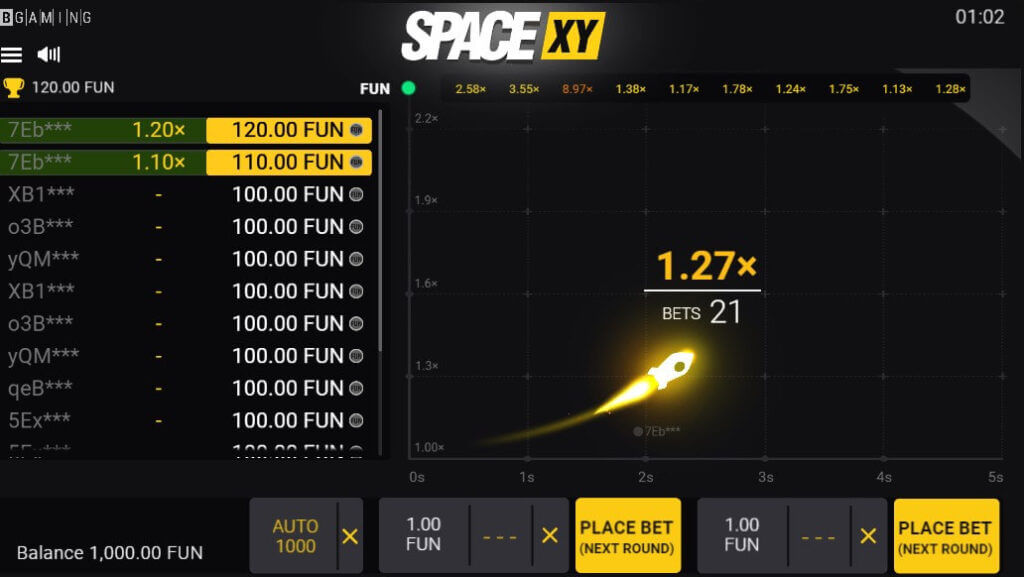
The excitement of an online casino game for a UK player relies on a solid foundation: fairness https://aviatorscasinos.com/space-xy/. This is especially important for a high-risk, fast-paced game like Space XY. The complete session hinges on a component called the Random Number Generator, or RNG. This digital engine controls every outcome, from the first setup of the grid to the last, explosive crash. Knowing this RNG is both strong and independently verified builds the confidence needed for a safe session. This article details the mechanics and the verification steps that confirm each round of Space XY is unpredictable, provably fair, and satisfies the tough standards of the UK Gambling Commission. For a player who pays attention, this isn’t just complex terminology. It’s the reliable basis that enables them to enjoy the game’s thrilling fluctuations, assured their opportunity to win is protected by advanced encryption and external audits.
What is a Random Number Generator (RNG) work?
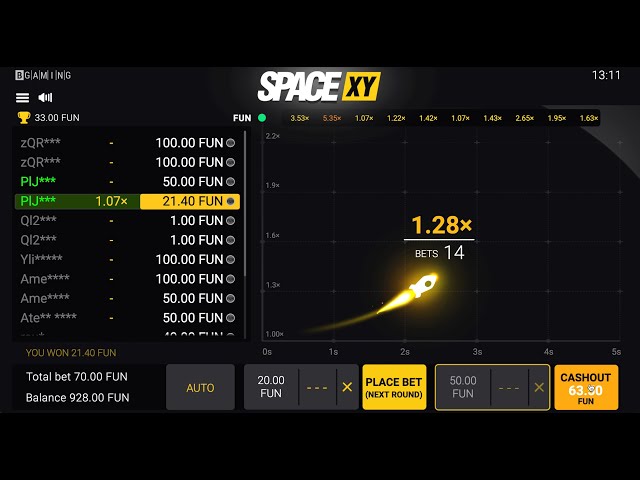
The core of Space XY, like any certified digital casino game, is the Random Number Generator. Think of it as a complex mathematical algorithm that produces a endless stream of unpredictable numbers. There is no pattern to discover. In Space XY, the RNG handles every critical, hidden event. It dictates where multipliers appear and where the crash point is located on the grid when a round commences. It determines conclusively on when the round will finish, ensuring no person or program can guess the ideal moment to cash out. A correct RNG operates like a fair digital die roll. Each result is statistically distinct from the one prior. A round that crashes soon has no influence on what happens next. It does not cause a later crash either more or less likely. This autonomy is the bedrock of fair play. It eliminates any likelihood of “hot” or “cold” streaks being programmed into the game. It ensures every player receives an identical, random shot on every single bet.
How Space XY’s RNG Guarantees Fair Play
Space XY utilizes a cryptographically secure RNG. This system goes far beyond simple random number algorithms. It brings randomness to a level appropriate for financial transactions and high-stakes play. Here is how it works. The algorithm starts with a seed value, an initial number that is extremely hard to predict. This seed typically derives from tiny, chaotic events inside the computer’s hardware. From this seed, the RNG creates a flow of numbers that cannot be reverse-engineered. For you, the player, this signifies the multiplier’s climb and the eventual crash are decided by this flawless, unpredictable digital chaos. The game’s server operates this RNG separately from your own device. The outcome is set the instant the round begins. No user action can change it. This setup ensures your tense, exciting decision of when to cash out happens against a backdrop of total impartiality. The system is designed to resist tampering. It blocks both the operator and any outsider from fiddling with the results. This upholds a perfectly level field for everyone involved.
The importance of External Auditing
A studio can say their RNG is fair, but real trust comes from an outside check. Reputable third-party testing labs like eCOGRA, iTech Labs, or GLI do this crucial work. These auditors are licensed to strict international standards and have no economic interest in the games they test. Their process involves a comprehensive technical review of the RNG’s source code. They look for any underlying biases or flaws in the algorithm. Then they run the generator through billions of simulations. They analyze the output statistically to verify it matches the claimed return-to-player (RTP) percentage and that the spread of results is actually random. For a game to be presented legally to UK players, this certification is mandatory. The UK Gambling Commission insists on it. The auditor supplies a certified certificate of compliance. The casino or game provider must demonstrate this to regulators and often to the public. This external scrutiny is the ultimate safety net. It converts a technical promise into a confirmed, legal guarantee of fairness.
Comprehending Provably Fair Technology
Aside from standard RNG checks, numerous contemporary crash games like Space XY add a transparency element termed “Provably Fair” technology. This lets a player individually confirm the fairness of each round after it finishes. The process depends on cryptographic principles, particularly hashing. Prior to a round beginning, the server creates a private random seed and a public seed. It then creates a cryptographic hash of the secret seed. This hash is a fixed-length string of characters that serves as a distinct, unchangeable fingerprint. The server publishes this hash before the round. When the round ends, the secret seed is disclosed. Players can then use this seed, together with the client seed, and run a standardised algorithm themselves to calculate the round’s result. If their calculation matches what they witnessed in the game, and the hash verifies, it demonstrates the round was not changed after the hash was published. This delivers a fresh level of personal verification. For UK players, it works alongside the official audits. It offers real-time, hands-on confirmation that the game functions as advertised, uncovering the random essence of each heart-pounding crash.
British Gambling Authority Standards for RNG Systems
The UK Gambling Commission establishes some of the world’s most stringent rulebooks for online gambling. Its technical specifications for RNG Systems are exceptionally stringent. For any title, Space XY among them, to be made available lawfully to British players, its RNG must pass multiple high thresholds. The RNG must primarily be approved by a testing facility recognized by the UKGC. The Regulator keeps a register of accredited independent bodies. Second, the RNG must be tested again at regular intervals. A one-time audit is insufficient. The British Regulator also sets concrete design standards. The RNG must be seeded from a high-entropy origin and must prevent predictability attacks. The Regulator also stipulates that gaming results are resolved on a securely managed server, not on the player’s personal device. Thorough documentation of all RNG operations must be kept for verification purposes. These thorough standards come with severe penalties for failure to comply. They require companies and software suppliers to maintain the top technical requirements. For the user, the UK Gambling Commission emblem on a gambling site is a clear indicator. It signifies the titles, including Space XY, fulfill these thorough fairness checks.
Which Verification Means for the United Kingdom Player
For the British player exploring Space XY, RNG verification offers tangible, concrete advantages that better the experience. The primary benefit is assurance. Players can appreciate the high-adrenaline, volatile nature of a crash game understanding the unpredictability comes from real randomness, not from manipulation. They can dedicate themselves to strategy and bankroll management instead of doubting the game’s integrity. The audited RNG also ensures the published Return to Player (RTP) percentage is accurate over the long run. Short sessions can fluctuate wildly, but the audited randomness ensures that over millions of rounds, the game pays out according to its declared mathematical profile. It also protects players against potential scams. No malicious software can interfere with the outcomes. This audited fairness supports a more safe gaming environment. Players can believe their wins and losses are solely the result of randomness. In simple terms, the intricate world of RNG verification offers one distinct promise to the player: every choice they make in Space XY receives a equitable, random, and independently verified response.
Widespread Myths About RNGs in Crash Games
Even with strict verification, some stubborn myths surround RNGs in games like Space XY. Addressing these is key to playing smart. One prevalent myth is that the game is “due” for a crash after a extended multiplier run. Or that a sequence of quick crashes indicates a big win is imminent. This “gambler’s fallacy” is clearly contradicted by the verified independence of each RNG outcome. Past events do not influence the future. Another typical error is the idea that players can use betting patterns or special software to predict crashes. A cryptographically secure RNG makes this impossible. The crash point is set when the round starts and cannot be predicted. Some also give the RNG a personality, imagining it can be “hot” or “cold.” The confirmed system has no moods. It just produces random results. One last key myth to debunk is the idea that provably fair technology lets you predict an outcome *before* a round. It does not. It only allows verification *afterwards*. Knowing these truths helps players approach Space XY with a clear head. They can value the real randomness that powers the game’s excitement.
How to Check the Verification State On Your Own
UK gamblers who wish to be meticulous can follow a few simple steps to check the RNG status of Space XY on their own. Performing this due diligence offers an extra level of security and peace of mind. The standard process goes like this:
- Check the Casino’s ‘Fair Play’ or ‘Game Info’ Page: Reliable casinos licensed by the UKGC offer data on game honesty. Look for a hyperlink titled “Provably Fair,” “Fair Gaming,” or “Certifications.” That section should list the testing organisations involved.
- Search for Testing Agency Emblems and Accreditations: On the game data page for Space XY, or in the casino’s base, you should notice emblems from inspectors like eCOGRA, iTech Labs, or GLI. These are commonly clickable links that take you right to the authorised approval document.
- Utilise the Provably Fair Verification System: If Space XY includes provably fair validation, you’ll locate a option or button within the game environment, usually in a options or details section. By entering the round ID and codes from a previous game, you can carry out your independent own test.
- Refer to the UKGC Public Database: You can confirm the casino’s license state on the UK Gambling Commission’s formal webpage. This confirms they are licensed to provide games with approved RNGs.
Performing these checks sets you in control. It confirms the exciting action of Space XY is supported by open, auditable technology. It transforms the conceptual concept of honesty into an element you can view and experience.
The Future of Fairness: Openness and Confidence
The road for online gaming fairness, notably in innovative styles like crash games, moves toward even more transparency and player-focused trust. We will undoubtedly see a few key changes become commonplace. Blockchain technology might assume a bigger role. Game logic and outcomes could be logged on a public, unchangeable ledger, allowing for real-time, crowd-verified auditing. The idea of “on-chain” games, where the RNG and rules run via smart contracts, could erase the need to trust a central server altogether. Testing standards will keep advancing. Auditors will probably build more sophisticated, continuous monitoring tools instead of using periodic snapshots. For players, interfaces will get better at clarifying fairness. A single click might show the full audit trail for a specific round. The UK Gambling Commission will continue to improve its technical rules in response to these advances. For Space XY and its players, this future signals a stronger, more transparent bond of trust. The excitement of the game will sit alongside undeniable, easy-to-access proof of its integrity. This maintains the UK market one of the safest and most reliable places for online gaming innovation.