
Tidak ada produk di keranjang.
Artikel
Trip Coverage Claim Crash Game Holiday Issue in UK

Imagine this. You are on a vacation you reserved in the United Kingdom, and you lose a large sum of money. It wasn’t stolen from your hotel room. You did not have a medical emergency. The money vanished because you were playing the Zeppelin Crash Game, a high-stakes online betting game. Could your travel insurance cover that loss? The answer is not simple. It depends completely on the small print in your policy, how UK law defines gambling, and the exact details of what happened. This article breaks down those layers. We’ll move past the initial shock to a practical review of contracts, exclusions, and the real chance of receiving claim compensation. We’ll examine what the insurance company would likely say, what arguments a customer might try, and what this signifies for anyone blending new digital entertainment with travel.
Comprehending the Zeppelin Crash Game System
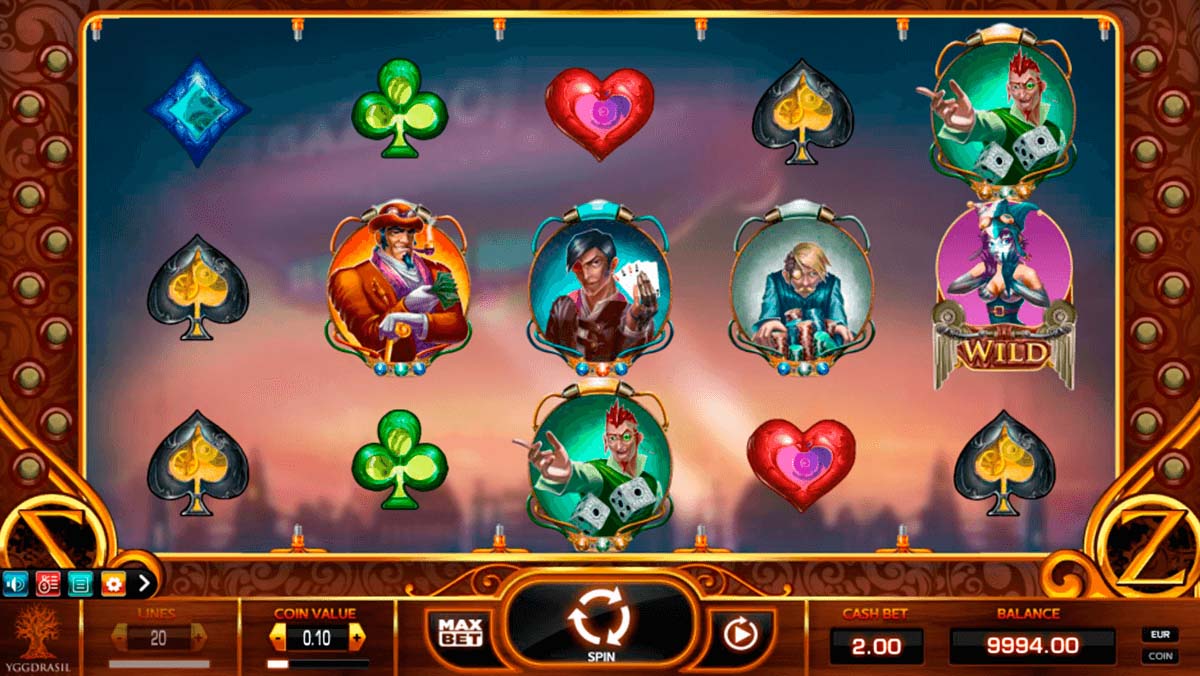
To assess an insurance claim, you have to determine what the loss actually is. The Zeppelin Crash Game is an online betting game that employs cryptocurrency. Players make a bet on a multiplier linked to an animation of a rising zeppelin. The game runs until the zeppelin “crashes” at a random moment, established by a provably fair algorithm. To win, you have to cash out before the crash and claim your multiplied stake. If you’re too slow, you surrender everything you put into that round. The game is intense and can offer big returns, but its core is evident: it’s gambling. It’s a game of chance, not skill, where you risk money on an uncertain outcome. Under UK law, this comes under gambling regulations managed by the Gambling Commission. That means any financial loss is, first and foremost, a gambling loss. This classification is the biggest single barrier to any travel insurance claim. The fact the game uses crypto adds a layer of complexity, but it does not modify its basic legal nature in the UK.
Larger Implications for Trip and Emerging Digital Risks
This situation shows a growing gap between conventional insurance and the modern digital risks passengers face. A current holiday often entails continuous digital activity, from overseeing cryptocurrency wallets to engaging in online games. Typical travel insurance was designed for physical problems like lost luggage or a hospital visit. It finds it hard to categorize and respond to these intangible, behaviour-driven financial losses. The lesson for consumers is important: regular insurance is not a safety net for speculative financial activities, no matter how they are presented as games. The burden falls on the passenger to understand that activities like the Zeppelin Crash Game sit completely outside the scope of travel risk protection. This might spark a discussion about whether specific insurance products could ever protect such losses. The underlying moral hazard and the challenge of assessing the risk make this unlikely. For the foreseeable future, the line remains separate. Travel insurance safeguards against certain unforeseen events that interrupt a trip. It does not back your betting decisions, regardless of the platform or the game’s theme.
The Critical Importance of Policy Wording and Disclosure
Any bid to claim relies solely on the specific wording of that person’s travel insurance document. It is essential to get and read the full policy wording before you purchase the insurance, and definitely before you seek to make a claim. You must search for the exact phrasing of the gambling exclusion. Some older policies might have narrower exclusions, perhaps only stating “in a casino” or “on-track betting,” but this is uncommon now. More modern policies often explicitly name “online gambling” or “interactive gambling services.” The definition of “loss” also matters. Does it only mean physical cash, or does it include digital currency transfers? When applying for insurance, companies sometimes ask about high-risk activities. If you didn’t disclose frequent or high-stakes gambling when asked, the insurer could conceivably void the entire policy for non-disclosure. That would nullify any other claims from your trip. The policyholder has the responsibility of proving their claim matches the policy terms. Any argument must be formed carefully around the precise language in the document, not on a general feeling of unfairness.
Useful Actions Following a Significant Gambling Loss Abroad
What should a traveller do if they experience a devastating financial loss from something like the Zeppelin Crash Game while on a UK-booked holiday? The first steps are realistic and serious. First, ensure you are protected and have basic welfare addressed. Contact friends or family for emergency support if you must. Tell your tour operator or hotel if you might not be able to pay your bills, as they may have hardship procedures. Second, concerning insurance, study your policy wording closely before you phone the insurer. Count on a quick rejection based on the gambling exclusion. Making a claim anyway creates a formal record, which you must have if you later go to the Financial Ombudsman Service. But keep your expectations low. Third, get independent advice from a citizen’s advice bureau or a consumer rights lawyer. They will most likely confirm the exclusion is legally solid. Fourth, think about contacting the Gambling Commission if you think the gaming platform itself was unfair or illegal. Finally, regard this as a hard lesson in separating risks. Money you use for speculative entertainment should be set apart from your essential travel funds. Never depend on it to pay for your trip.
Standard Travel Insurance Policy Exclusions for Gambling Losses
We should review the typical exclusions in a UK travel insurance policy. Virtually all of them include clear clauses that exclude losses from gambling or betting. The wording is typically broad and leaves little room for doubt. A typical example excludes “any loss resulting from gambling, betting, or wagering of any kind, including the loss of money or valuables in such activities.” This language aims to cover everything: casino games, sports bets, lottery tickets, and, by logical extension, online chance games like Zeppelin Crash. Insurance companies contend that covering gambling losses creates a moral hazard. It would promote risky behaviour by offering a financial backup plan. They also view gambling as a intentional financial speculation, not an unforeseen accident in the usual sense of insurance. The insurer’s position would be simple: the customer chose to take part in a known risky activity and assumed the risk of loss. This exclusion represents the most powerful part of an insurer’s defence. It makes a successful claim for the direct gambling loss extremely improbable, and most likely impossible.
Potential Claim Avenues and Associated Feasibility
A immediate claim for the lost bet will almost certainly fail. But a policyholder could look at other, less direct angles in their policy wording. One might argue, for example, that the distress from the loss caused a medical or psychological issue needing treatment abroad. This may try to trigger the medical expenses section. Insurers would most likely fight this on causation. Many policies also exclude conditions that result from illegal acts or deliberate risk-taking. Another approach might involve theft or fraud. If someone hacked the game platform or stole funds during a transaction, this could possibly fall under a “loss of money” section. This assumes the policy doesn’t have a gambling exclusion that overrides it. Proving the loss was due to criminal action rather than the normal game mechanics would be a tough evidential hurdle. A slightly more plausible, though still difficult, argument could involve “cancellation or curtailment.” If the gambling loss left the traveller completely penniless and physically unable to continue the holiday, forcing an early return home, they may try this. Even then, insurers would focus on the voluntary nature of the loss and point to the gambling exclusion.
Regulatory Context and the Financial Ombudsman Service
If an insurer denies a claim for a Zeppelin Crash Game loss, the policyholder in the UK can take the case to the Financial Ombudsman Service (FOS). The FOS settles disputes based on what is “fair and reasonable.” They look at good industry practice, not just the strict legal terms. Past FOS decisions on gambling and insurance show a clear pattern. The Ombudsman consistently upholds gambling exclusions as valid and enforceable, as long as they were clearly communicated in the policy. The FOS is not likely to require an insurer to pay for a voluntary gambling loss. They might, however, assess if the exclusion clause was prominent and easy to understand. If the wording was unusually vague or the insurer handled the claim poorly, the FOS could provide some compensation for distress. This wouldn’t cover the gambling loss itself. The regulatory framework therefore backs the insurer’s stance. The Gambling Commission separately oversees the game operators, focusing on fairness and preventing harm, not on insuring player losses.
Contrasting Travel Insurance with Gambling Consumer Protections
It assists to compare the purpose of travel insurance with the consumer protections in the UK’s regulated gambling industry. Travel insurance is a contractual product that insures particular risks and has defined exclusions. The Gambling Commission’s system, on the other hand, centers on licensing operators, ensuring games are fair, protecting vulnerable people, and offering routes for self-exclusion and complaints. Some protections, like deposit limits, are preventative. If a player thinks the Zeppelin Crash Game operator acted unfairly or broke its licence rules, they can complain to the operator, then to an Alternative Dispute Resolution (ADR) scheme, and finally to the Gambling Commission. But none of these channels will refund losses just because a bet lost. They tackle procedural unfairness, not the risk of the market. This split underscores a basic truth: travel insurance and gambling regulation exist in separate worlds. One does not compensate for the limits of the other. A traveller’s loss from a crash game, unless there was operator malpractice, is a personal liability. It’s a risk taken knowingly in a regulated but unforgiving market.
The function of individual accountability and risk management
This review always comes back to self-discipline zeppelincrash.com. Journey protection exists to soften the blow of unexpected, often forced troubles—like a burglary, an disease, or a abrupt weather event. Choosing to engage in a dangerous gambling venture like Zeppelin Crash is a anticipated financial risk. You engage in it willingly, conscious you could lose everything. The game’s thrill relies on that uncertainty. Expecting an coverage plan, funded by all insured parties, to absorb the repercussions of such a decision goes against the basic idea of mutual protection against typical risks. Sound risk management for today’s traveller means setting a firm distinction between budget for journey safety and money for entertainment speculation. It means reviewing the exclusions in an protection contract as the true extent of what’s insured, not just detailed terms. In the UK’s legal and regulatory framework, the difference between protected incident and uncovered gambling remains strong. The Zeppelin Crash Game situation is a clear indication of this separation. Some risks, no matter how digital their wrapping, rest firmly with the individual who takes them.